2021: Our Operational Highlights
Through the year 2021, we have reached out to a total of over 19,320 direct and indirect beneficiaries from over 3 local governments in more than 21 communities.
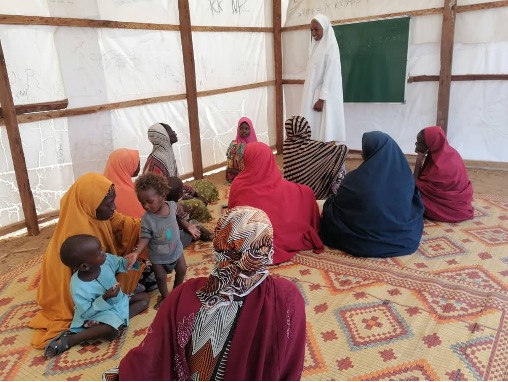
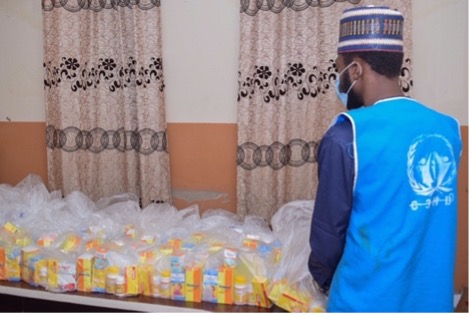
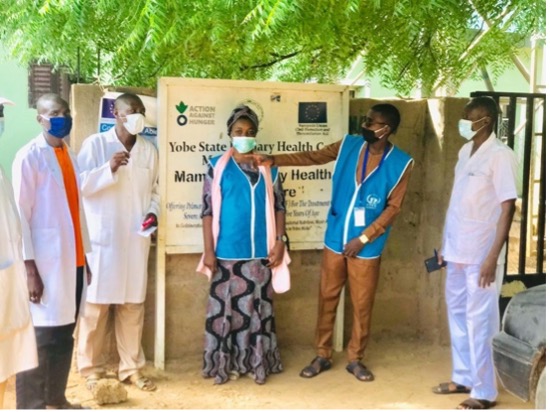
Specifically, our Global Affairs Canada Project was implemented in Damaturu and Gujba LGAs with a reach of about 16,920 children and caregivers. Our Malaria Project was funded by the Global fund in Potiskum LGA. So far, we have reached about 2400 beneficiaries in about 15 communities with information and services on Malaria including the distribution of insecticide-treated mosquito nets (LLIN).
Looking Ahead
Our intervention has built the resilience of vulnerable women and girls affected by insurgency in North East Nigeria by supporting and promoting girls and women agency through life skills, women empowerment, education, sexual reproductive health and rights, nutrition, and engaging communities to break gender barriers and harmful social norms as well as mobilizing communities to gather support for young girls and women. As a result, we are committed to expanding our interventions across the BAY states, and we appreciate the help of our donors and partners.
Also, we appreciate all the Northeast humanitarian actors, especially the United Nations Office for The Coordination of Humanitarian Affairs (UNOCHA), and United Nation Population Funds (UNFPA), as well as our government patterners, State Emergency Management Agency (SEMA), Ministry of Education (MOE), State Universal Basic Education Board (SUBEB) Ministry of Women Affairs and Community Development (MOWA), Ministry of Youths, Sports and Social Development. (MYSSD), Ministry of Health (MOH) and Ministry of Water Resources.
We continue to reiterate our support to the sectors we are working with, particularly the Child protection Subsector working group (CPSSWG), Health Sector Working Group (HSWG), Gender Based Violence sub-sector working group (GBVSSWG), the nutrition sector working group, the education in the emergency working group (EiEWG), the general protection technical working group, the health sector coordination group, and the water sanitation and hygiene sector working group (WASHSWG).
Executive Director